Discover how psychology shapes the decision to rent a private office. Learn how privacy, noise control, personalization, and workspace layout can boost focus
Choosing a private office in the commercial real estate market is more than a logistical decision it’s a psychological one. The workspace you occupy can profoundly affect your focus, satisfaction, and well-being on the job. In this guide, we explore how factors like privacy, personalization, control over your environment, noise management, and space layout influence your decision-making and workplace happiness. By understanding the psychology of the business environment, you can make better-informed choices about renting a private office that supports your productivity, reflects your brand, and nurtures your mental well-being.
Privacy and Focus: The Power of a Closed Door
One of the biggest advantages of a private office is privacy, both visual and acoustic. Being able to close your door offers a shield from prying eyes and constant interruptions. This seclusion isn’t just a luxury it has real impacts on performance and mood. Research shows that employees in enclosed private offices report far fewer issues with concentration and irritability compared to those in open-plan layouts. In fact, private office workers tend to “excel” in perceptions of privacy and comfort, whereas open-plan workers more often report irritability, distractions, and worse performance outcomes. A sense of privacy allows you to focus deeply on tasks without the anxiety of being observed, leading to better productivity.
Privacy also boosts job performance by reducing what psychologists call the crowding effect. When you share workspace or have people constantly around you, it can create a feeling of crowding a state linked to difficulty concentrating and negative reactions. Open offices come with risks like unwanted interactions, overhearing conversations, and feeling watched, all of which undermine comfort and privacy. As a result, workers in open environments often “have difficulty concentrating, react negatively to interactions and become dissatisfied with their job”. By contrast, a private office offers personal space where you’re free from these stressors. Especially for work that involves confidential calls or intensive thinking, the ability to close the door translates into peace of mind and sharper focus.
Noise and Distraction Management
Along with visual privacy, controlling noise is a critical factor in workplace satisfaction. In many bustling urban offices, noise is the top complaint. A private office can serve as a quiet sanctuary amidst the chaos. Studies have found that half of open-office workers are dissatisfied with noise levels, whereas only about 20% of those in private offices report such issues. In open layouts, ringing phones, conversations, and office chatter become constant distractions. Speech noise in particular is cited as the most frustrating disturbance, and it contributes to significant productivity loss employees in open environments can lose an average of 21.5 minutes per day to conversational distractions. Over time, these lost minutes add up to hours of reduced efficiency.
By choosing a private office, you gain control over your acoustic environment. You can shut the door to block out chatter or position your desk away from noisy corridors. The psychological benefit is considerable: uncontrollable noise is associated with decreased motivation, but when individuals have control over noise, they can “largely ameliorate the aftereffects of noise” on stress and cognition. In essence, being able to manage sound whether by closing the door or using soundproofing in a private space helps prevent the helpless feeling that often accompanies constant noise. The result is a calmer mind and the ability to stay in the zone on demanding tasks. Some experts even estimate that workers in open offices are far less productive (by as much as 66% in one analysis) than when they have the quiet of working privately. While that figure may vary, it underscores the tremendous impact that a quiet, controlled environment can have on your output.
For anyone seeking an office in a noisy city center like New York or London, these considerations are paramount. You might look for a private suite on a higher floor or one with sound-insulated walls to buffer the street noise. In contrast, if you’re in a quieter suburban town, noise might be less of an issue but even then, a private office ensures you won’t be interrupted by loud coworkers or ringing phones in a shared space. The bottom line: a private office lets you manage distractions, creating an oasis of focus that is hard to come by in open co-working areas or cubicle farms.
Personalization and Control of Your Space
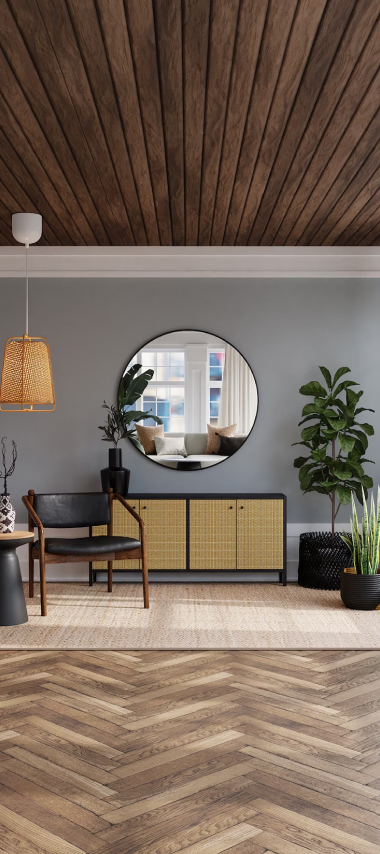
Figure: A personalized workspace with plants, warm lighting, and decor. Adding personal touches and natural elements to your private office can foster a sense of ownership, reduce stress, and make the environment more inviting.
When it comes to long-term workplace satisfaction, few things are as empowering as the ability to personalize and control your workspace. A private office truly becomes your space you can choose the décor, arrange the furniture to suit your workflow, and adjust environmental factors like lighting and temperature (within building allowances) to your preference. This level of control has proven psychological benefits. Several studies indicate that the ability to personalize one’s workspace is directly linked to higher satisfaction with the work environment and overall job satisfaction. By putting up your favorite artwork, bringing in a potted plant, or even painting an accent wall (if permitted), you establish a sense of identity and comfort in what could otherwise be a sterile, anonymous office. It turns your workspace into a place where you feel “at home” while at work, which in turn can make you more relaxed and motivated during the day.
Personalization also ties into the concept of control over your environment a key factor in mental well-being. Psychologically, having even small choices in your physical surroundings can reduce stress. Studies have shown that giving individuals some personal control (such as the ability to adjust their space or add personal items) helps reduce stress and enhance mental health. The reason is simple: when everything around you is imposed without your input from generic office art to fixed lighting it can create a subconscious sense of powerlessness. On the other hand, exerting control over your immediate environment, like adjusting a lamp’s brightness or keeping a door closed for quiet time, restores a feeling of autonomy. This autonomy is linked to lower anxiety levels because you’re not entirely at the mercy of external factors. Even something as simple as positioning your desk by a window for natural light or adding a plant on your desk can make a positive psychological difference. Indoor plants and personal decor not only add aesthetic appeal but also give a small sense of ownership that boosts your mood.
For those deciding on a private office, evaluate how much freedom you’ll have to make the space your own. Ask the landlord about painting policies, or whether you can bring your own furniture. The more you can tailor the office to fit your personality and work style, the more psychologically comfortable and committed you’re likely to feel. A tech startup founder in San Francisco might outfit a private office with whiteboards and modern art that inspire creativity, whereas a consultant in Tokyo might cherish a minimalist, Zen-like office with their favorite books on display. In both cases, personalization makes the space supportive of the individual’s needs. This is a clear advantage over generic co-working desks where personal touches must be minimal and every element is standardized.
Space Layout and Comfort: Avoiding the Crowding Trap
How an office is laid out its size, furniture arrangement, and openness has a direct impact on your comfort and state of mind. Private offices generally offer more control over layout and more personal space per person than crowded open-plan setups. This matters because physical crowding in a workspace can lead to a psychological sense of crowding, which elevates stress. When multiple people share space or workstations, there’s often a feeling of territory overlap and insufficient personal area. Research in workplace design has noted that sharing facilities and workspace with others can induce that psychological state of crowding, which in turn affects behavior and satisfaction. In open offices, the combined effect of constant proximity, frequent interruptions, and lack of private corners can make employees feel hemmed in and on edge. By contrast, a well-designed private office provides breathing room you can literally shut others out and arrange the furniture such that you have comfortable movement and proper ergonomics.
Think about how you can configure a private office: you might set up your desk facing a window for a view, place a small meeting table or a comfy chair in the corner for breaks, and have dedicated shelves or cabinets for organization. This flexibility in space layout lets you craft an environment that supports your workflow and comfort. For example, if your work involves creative brainstorming, you could set up a whiteboard wall or a pinboard for inspiration. If you frequently host one-on-one client meetings, you can arrange a seating area that feels inviting. Such tweaks are often impossible in a shared open space where every square foot is communal and standardized. Having control over the layout also means you can ensure ergonomic comfort adjusting chair height, monitor position, etc., without worry that someone else will change it. Over time, these adjustments prevent physical strain and contribute to your well-being.
Importantly, private offices eliminate the stress of uninvited intrusions into your space. In a shared office, someone might need to borrow a chair from your desk or use part of your table, which can subtly increase tension by disturbing your sense of territory. In a private setting, your space is truly yours. This security can improve concentration; you won’t be subconsciously preoccupied with monitoring your surroundings. As one review concluded, there is “strong evidence” that working in open/shared workplaces reduces workers’ perceived privacy and job satisfaction much of that has to do with feeling crowded and lacking control of the layout. By choosing a private office, you are actively avoiding the crowding trap and giving yourself a spatial advantage. That can mean a calmer mindset and a more pleasant daily experience.
Boosting Productivity with a Private Office
All of the above factors privacy, quiet, personalization, and a comfortable layout converge to create an environment primed for productivity. The ability to focus deeply without interruption is crucial for high-quality work, and this is where private offices shine. Numerous employees will attest that they simply get more done when they’re not being constantly distracted by colleagues dropping by or background chatter. Scientific findings back this up: open-plan offices have been linked to drops in self-rated productivity and performance, whereas private or even small shared offices tend to fare better on these metrics. When a space minimizes distractions and stressors, it enables longer stretches of “flow” that state of deep focus where you’re fully immersed in a task. In a private office, you can design your day with deliberate focus periods (door closed, phone on silent) and collaboration or break periods (door open when you’re free), thereby managing your productivity cycles more effectively than in a free-for-all open space.
It’s not just about getting more work done in a given hour; it’s also about the quality of work. Complex tasks often require sustained concentration and creative thinking, which are bolstered by a quiet, controlled atmosphere. As mentioned earlier, the constant interruptions in open environments can cause frequent context-switching, which is a known productivity killer. Even the mental effort of tuning out distractions drains your cognitive resources. By contrast, a private office largely removes those drains. One analysis of office workers found that those in open settings lost significant work time to distractions and had to exert effort to concentrate, whereas those working privately did not face the same continuous hurdles. Over weeks and months, this difference can translate into tangible gains in output.
Furthermore, a private office can be optimized with productivity tools and layouts tailored to your job. You can set up multiple monitors, reference materials spread out on a desk, or specialized equipment things that might be impractical in a coffee shop or coworking hot-desk. This tailored environment means less time wasted adapting to your space and more time where the space is supporting your tasks. The psychological effect is that you feel more in control of your workday, which boosts motivation. It’s telling that some of the world’s most successful companies invest in giving their teams personalized, comfortable workspaces rather than cramming everyone into one big hall. While your private office might be on a much smaller scale, the principle is the same: a well-designed personal workspace amplifies your ability to perform at your best.
Supporting Brand Identity and Company Culture
Figure: A company-branded office interior. Private offices can be customized with logos, colors, and design elements that reflect your brand’s identity, creating a cohesive and motivating atmosphere for both employees and visitors.
For entrepreneurs and businesses, a private office is not just a box of walls it’s a canvas to express brand identity and shape company culture. When you have your own office suite or dedicated space, you can design it to visibly reflect your brand’s values and aesthetic. This has a powerful psychological impact on both employees and clients. When team members are surrounded by a consistent brand identity in the workplace, it “can help foster a stronger sense of unity and shared purpose”. Consider how stepping into an office painted in your brand’s colors, with your logo on the wall and mission statement artfully displayed, reinforces what your company stands for. It creates an immersive environment where everyone is reminded of the collective goals and culture. This sense of cultural cohesion makes employees feel more connected to the brand and to each other, which can lead to improved teamwork and morale.
From a productivity standpoint, a branded private office can even boost motivation. Employees often feel proud and inspired when their workplace visibly aligns with their company’s mission. It’s noted that an office space reflecting the company’s identity “creates a more inspiring and motivating environment for employees to thrive in”. In other words, thoughtful office design that showcases your brand story isn’t just about impressing clients (although it certainly helps there too) it’s about creating a space that energizes your team. When your surroundings consistently echo the values you talk about, it reinforces authenticity and can increase employee engagement. For example, a creative agency in London might decorate its private office with vibrant murals and collaborative lounges to signal creativity and fun, whereas a law firm in Sydney might opt for a private office with a clean, professional design and their emblem in the lobby to signal trust and stability. Both approaches use design to reinforce what the brand promises.
Clients and visitors also take cues from your office. Having a private office means you can control the client experience from the moment they step in. Everything from the reception area to the meeting room ambiance can be tailored. A well-branded office makes your business memorable and trustworthy it shows you’ve invested in a professional space and are here to stay. This can be especially important in major business hubs: for instance, a startup in New York City hosting investors in a chic, branded private office in Midtown will likely leave a stronger impression than if that meeting were at a crowded co-working table. In summary, a private office gives you the freedom to build an environment that tells your brand’s story, supporting your business identity and signaling to everyone (staff and clients alike) what your company is about.
Mental Well-Being in the Workplace
Beyond productivity and branding, a private office can be a vital asset for your mental health and well-being at work. Work stress is often tied to environmental factors like noise, lack of control, and feeling crowded all things we’ve discussed. By mitigating these, a private office contributes to a calmer, less stressful daily experience. Psychologically, offices characterized by constant noise and crowding contribute to chronic stress. Conversely, an environment where you have personal space and control can lower stress levels significantly. When you can control lighting, adjust your chair, or take a quiet moment without leaving your desk, you’re able to manage your arousal levels and prevent sensory overload. Over time, this means fewer end-of-day headaches and less mental fatigue.
Another aspect of well-being is how the environment can rejuvenate or drain you. Natural elements and comfortable settings play a big role here. If you have a window, a private office allows you to enjoy daylight or a view in peace. If you don’t have a window, you can still introduce nature with indoor plants or calming decor. Studies in environmental psychology suggest that introducing nature contact in the workplace even simple things like a plant on the desk or a glimpse of greenery outside is associated with lower perceived stress and fewer health complaints. Essentially, when your brain can periodically rest on a soothing stimulus (like a bit of nature or a personal memento) instead of constant work stimuli, it aids recovery from stress. Many suburban private offices or office parks capitalize on this by offering green surroundings, which can do wonders for mental well-being. If you’re in a suburban setting (say, a small office in a leafy area outside Boston or Melbourne), you might find that stepping outside to a quiet park during lunch or even looking out at trees from your window helps you reset. In urban environments, nature is scarcer, but you can still create a mini-oasis in your private office with plants, soft lighting, and art that relaxes you (as shown in the figure above).
Privacy itself also supports mental health. Knowing that you can have a confidential conversation or take a moment to compose yourself after a tough call provides emotional security. You’re less likely to experience the constant low-level anxiety that some workers in open offices report the feeling of being always “on display” or at risk of interruption. In a private office, if you’re having a stressful day, you can close the door, take a few deep breaths or even do a quick stretch without feeling self-conscious. This ability to occasionally withdraw is psychologically restorative. It’s no surprise that early research indicates open offices can increase stress and even lead to poorer health outcomes; one study found workers in open layouts had the lowest self-rated health and the highest rates of sickness absence compared to those in private offices. By choosing a private office, you are proactively investing in a healthier work environment for your mind and body.
Urban vs. Suburban: Adapting to Different Environments
Office needs and benefits can vary depending on whether you’re in a dense urban center or a more spread-out suburban area. Let’s consider both settings and how a private office plays a role in each, with examples from major cities around the world:
- - Urban Settings (e.g., New York, London, Tokyo): In big cities, office space often comes at a premium and noise is a constant companion. Here, a private office can serve as a crucial retreat. For instance, in New York City’s Midtown Manhattan, a private office in a high-rise can literally put you above the street din the higher floor and insulated walls keep out honking horns and chatter from co-working areas. Similarly, in the bustling business districts of London or Tokyo, professionals opt for small private offices or serviced suites where they can hold confidential meetings and focus, despite the city buzz outside. These offices may be cozy in size, but they provide an essential sense of control amid urban chaos. When choosing a private office in a city, consider location not just for client convenience but for psychological comfort: an office on a quieter side street or one with modern soundproofing will enhance your day-to-day tranquility. Many city-based workers also personalize their offices with elements that counteract the urban stress for example, a Tokyo consultant might use Shoji screens and plants to create a Zen atmosphere in their office, while a London freelancer might ensure their private office has heavy curtains or double-glazed windows to dampen noise.
- - Suburban Settings (e.g., Silicon Valley campuses, suburban office parks): In suburban and smaller city environments, space and nature are more accessible, which private offices can leverage for well-being. Tech hubs like Silicon Valley (south of San Francisco) are famous for campus-like offices where even a private office might come with a view of greenery or access to outdoor break areas. Companies in these areas often design private offices and small team suites that open onto courtyards or include large windows, recognizing that natural light and views support employee wellness. There’s evidence that workplaces with features like ample daylight, green spaces, and areas for movement foster a culture of wellness and improve productivity. For a more individual example, consider someone running a small business from a suburban office park in Austin or Bangalore: they might choose a private office in a low-rise building where they can step outside to a quiet patio during breaks. The relative quiet and lower density of suburbs mean your private office might be larger for the same cost, allowing more layout flexibility (perhaps a dedicated lounge corner or an extra filing area) and easier parking or commute all of which reduce daily stress. However, one must ensure not to feel isolated; suburban private offices might require a conscious effort to network or invite clients, since you don’t have the built-in social environment of a co-working space or downtown hub. Still, many find the trade-off worth it: the peace and personalization of a suburban private office can lead to higher sustained focus and a better work-life balance (no evening traffic jams or crowded trains to endure).
Across the globe, the trend is to create workplaces that incorporate the best of both worlds: some urban offices are adding biophilic design (think indoor gardens in Singapore high-rises), while some suburban offices are being built near transit and town centers to provide convenient amenities. The common thread is recognizing how environment affects people. Whether you’re looking in the heart of a city or on its outskirts, use psychological cues as part of your decision matrix. Does the office location energize you or exhaust you? Will the setting help you attract the right talent or clients? Major companies have even shifted offices to areas that provide a healthier environment for their employees for example, Google and Apple famously built expansive suburban campuses that support creativity, collaboration, and well-being (complete with green landscapes and recreational spaces) because they know it leads to more loyal, productive teams. While your own private office might be on a different scale, the principle is the same: choose a location and setting that best aligns with your work habits, brand image, and personal comfort.
Key Considerations When Choosing a Private Office
When you’re ready to pick a private office space, keep these psychologically informed tips in mind to make the best decision:
- - Assess Privacy Needs: Determine how much privacy your work requires. If you handle confidential information or need intense concentration, prioritize offices with solid walls and a door (avoid spaces where glass walls or thin partitions might not fully block distractions). Remember that privacy boosts focus and job performance, so ensure the space truly isolates you from disturbances.
- - Check Noise Levels: Visit the office at different times to gauge ambient noise. Listen for traffic sounds, neighboring office noise, or echo within the room. A quality private office should allow you to control noise either through closing a door or via soundproofing. Uncontrolled noise can sap motivation, so look for features like carpeting, acoustic panels, or simply a quiet location to maximize your concentration.
- - Personalization Potential: Enquire about the freedom to personalize. Can you decorate, rearrange furniture, or bring in accessories like lamps and plants? A space you can make your own will increase your comfort and satisfaction significantly. Even small personal touches can reduce stress and give you a sense of ownership over the environment.
- - Environmental Control: Find out what control you have over climate and lighting. Is there a thermostat for your office or a window that opens? Can you adjust the lighting (or at least add a floor lamp if the fluorescents are harsh)? Personal control over your workspace conditions is linked to greater comfort and well-being, helping you avoid the helpless feeling of being stuck with an unsuitable temperature or glare.
- - Space and Layout: Consider the size and shape of the office. Will it comfortably fit your workstations, storage, and maybe a small meeting area if you need it? Ensure you won’t feel cramped adequate space contributes to peace of mind. If possible, visualize or sketch different furniture layouts. A well-laid-out space can prevent the sense of crowding and promote better workflow.
- - Brand and Image: If clients or partners will visit, think about what the office says about you or your company. Is there a clean, professional lobby? Are there opportunities to display your logo or brand colors? A private office that aligns with your brand can impress visitors and reinforce your company culture. For instance, a creative industry professional might want a stylish, trendy location, whereas a financial consultant might choose a more traditional prestigious address both send messages in line with their brand identity.
- - Well-Being Factors: Look for features that support your comfort and health. Natural light and ventilation are big pluses a window view or access to a balcony/garden can dramatically improve your daily mood. Check if the lighting is comfortable and if there’s any possibility to incorporate plants or ergonomic furniture. Since nature contact and a healthy environment reduce stress, an office with these elements will benefit you in the long run.
- - Location and Surroundings: Reflect on the urban vs. suburban trade-offs for your situation. Do you prefer the buzz and convenience of a city center, or the calm and space of a suburban locale? Also consider commute stress a private office closer to home or easily accessible can contribute to a better work-life balance. On the other hand, if networking and face-to-face meetings are crucial, a city-center office might offer more value. Major cities worldwide have diverse options, from downtown high-rises to quieter fringe locations choose one that aligns with how you work best and what image you want to project.
By weighing all these factors, you’ll be better equipped to select a private office that not only meets your practical needs but also creates the optimal psychological environment for your work. Remember, the goal is not just to have an office, but to have a workspace where you feel productive, inspired, and at ease. A well-chosen private office can become an extension of your professional self a place where productivity soars, your brand comes to life, and your mind can thrive.
Ultimately, investing time and thought into your office decision is investing in yourself and your business. With the right environment, you set the stage for greater success and satisfaction every single day at work. Good luck with your search, and may your new private office empower you to do your best work in the best state of mind!
Sources:
- Frontiers in Psychology – Study on open-plan vs private office outcomes
- Rivier University – “The Price of Collaboration: Open Office Environments and Productivity”
- ScienceDaily – “Warning: Your open-plan office can make you ill” (Taylor & Francis)
- ViewArea Blog – “How a Personalized Workspace Impacts Your Employees”
- Penketh Group – “Brand identity in office design”
- Journal of Environmental Research and Public Health – Nature contact and stress in the workplace
- Seven Tower Bridge (Commercial Real Estate Insights) – “Push from Urban to Suburban Offices”